Casinos, Tribes, and Unions Urge Senate to Ban Sports Betting From the Clarity Act
A coalition of more than 50 gaming associations, tribal governments, and labor unions submitted a letter to the Senate on June 16, demanding that the Digital Asset Market Clarity Act include explicit language banning prediction markets from offering sports and casino-style event contracts. This is a direct shot at platforms like Polymarket and Kalshi that have built substantial real-money event contract businesses under CFTC oversight.
— NewsTongue (@NewsTongueX) June 17, 2026
Gaming groups urge Senate to ban sports prediction markets in crypto bill
The American Gaming Association, Indian Gaming Association, and Association of Gaming Equipment Manufacturers sent a letter to the Senate calling for language in the Clarity Act that would explicitly… pic.twitter.com/TKcgGM4J4E
Signatories include the American Gaming Association (AGA), the Indian Gaming Association (IGA), and UNITE HERE, which represents 300,000 hotel, gaming, and food-service workers across the U.S. and Canada.
The letter argues that prediction market platforms have engineered the largest expansion of gambling in U.S. history over the past 18 months without state authorization, legislative approval, or meaningful consumer protections.
Discover: The Best Token Presales
Coalition’s Core Argument: CFTC Was Never Built to Police Gambling
The coalition’s legal framing is specific and worth unpacking. The groups are not simply arguing that sports betting is a bad policy. According to the coalition, the CFTC structurally lacks the authority and institutional infrastructure to regulate it. “Sports betting falls outside the CFTC’s remit and cannot be offered through prediction market platforms,” the letter states.
The CFTC was established to oversee commodities and derivatives markets, not to police wagering integrity, underage access, or problem-gambling safeguards – none of which it has enforcement history on.
AGA President Bill Miller has previously stated that gaming integrity frameworks are “being undermined by so-called ‘prediction markets’ who are invading state, local, and tribal authorities.”
UNITE HERE’s president, Gwen Mills, framed it as an employment threat: workers’ livelihoods are “now threatened by prediction markets conducting illegal sports betting in violation of Tribal sovereignty and state laws.”
The IGA’s concern runs deeper still, that the Clarity Act, without explicit carve-outs, could functionally back-door legalize nationwide sports betting by routing it through CFTC-registered platforms, bypassing the tribal-state compact system that currently governs where and how wagering is offered.
The American Gaming Association has also claimed states have lost approximately $1 billion in tax revenue to prediction markets since the start of 2025, though prediction market operators dispute that figure.
Senator John Hickenlooper of Colorado put the jurisdictional argument plainly: “The CFTC has literally no experience in regulating sports betting. Even worse, CFTC has failed to use the authority it does have to protect sports bettors from insider trading, market manipulation, predatory advertising, and financial instability.”
Discover: The Best Crypto to Diversify Your Portfolio
Clarity Act Legislative Battlefield: Three Obstacles, Nine Days, One Threshold
The gaming coalition’s letter lands on a bill already under structural strain. The Digital Asset Market Clarity Act cleared the Senate Banking Committee 15–9 on May 18, a meaningful vote count but one that does not resolve the three distinct obstacles still blocking floor passage.
An unresolved ethics fight embedded in the bill’s language, two competing committee texts that must be merged, and a 60-vote cloture threshold that demands bipartisan buy-in well beyond what the committee vote demonstrated.
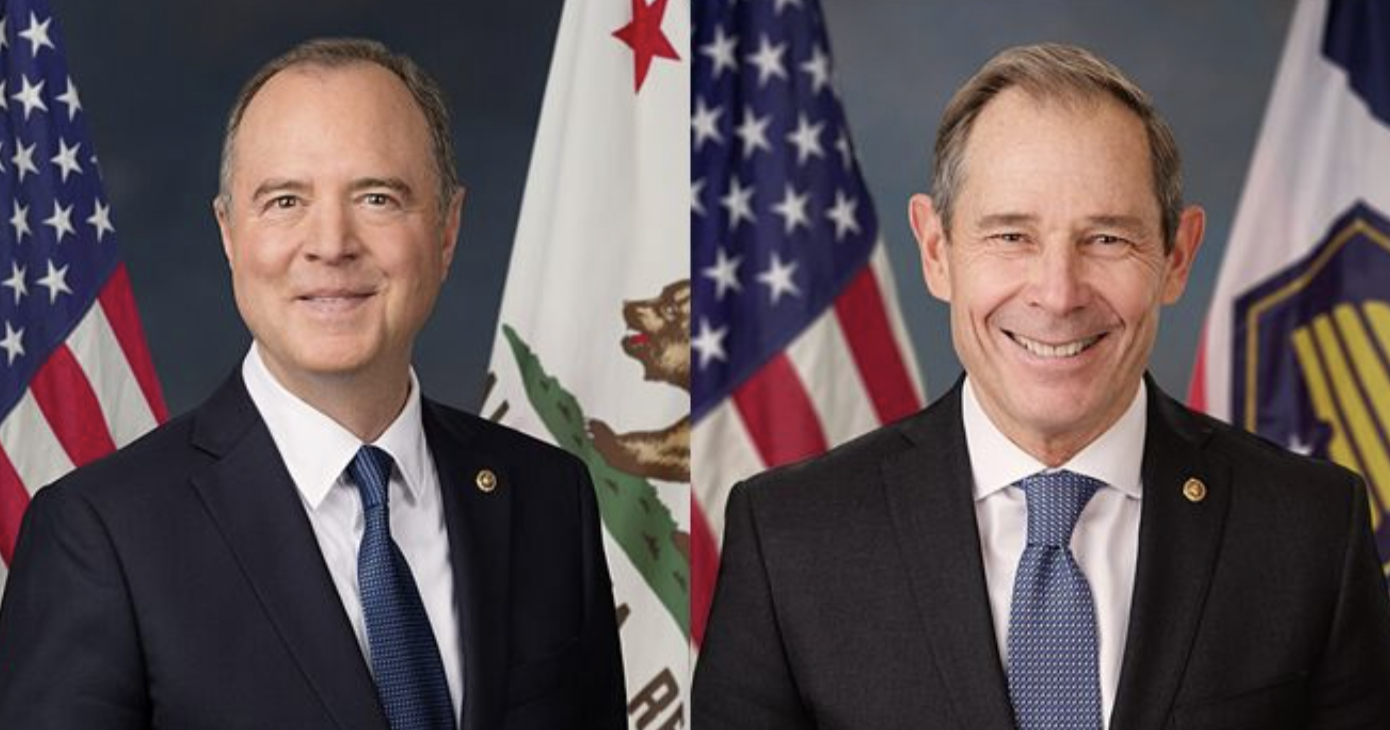
With just nine working days before the July 4 recess, Senate drafters face a compressed timeline to decide whether to fold the gaming coalition’s anti-sports-betting language directly into the Clarity Act text or leave it to the separate Schiff-Curtis bill. S
Senators Adam Schiff and John Curtis introduced the Prediction Markets Are Gambling Act (S.4160) in March 2026, which would amend the Commodity Exchange Act to explicitly bar CFTC-registered entities from listing contracts tied to any sporting event or athletic competition, or offering casino-style products like poker or blackjack. That bill preserves state and tribal gaming jurisdiction as the governing framework, exactly what the IGA and AGA want codified.
According to WSJ, U.S. Senators Adam Schiff and John Curtis plan to introduce a bipartisan bill that would prohibit CFTC-regulated platforms from offering contracts tied to sporting events. The legislation would affect prediction-market platforms including Kalshi and Polymarket’s… pic.twitter.com/TZcqJ52JTX
— Wu Blockchain (@WuBlockchain) March 23, 2026
The immediate regulatory trigger for this lobbying push was the CFTC’s early June 2026 rulemaking, which advanced a framework formally permitting certain sports event contracts on prediction markets. Banning markets on injuries, officiating calls, high-school athletics, and pure-chance games, but leaving skill-influenced event contracts potentially open.
Discover: The Best Token Presales
The post Casinos, Tribes, and Unions Urge Senate to Ban Sports Betting From the Clarity Act appeared first on Cryptonews.
More From This Topic
View Topic
Senate Democrats Aren’t Happy About Trump’s Spy Law Ultimatum
Before President Donald Trump threw his latest hand grenade into congressional negotiations over a k …

Validation Testing Process
Deployment strategies minimize risk during releases. Blue-green deployments, canary releases, and fe …

Big Data Processing Tools
Security should be a top priority in any web project. Implementing proper authentication, authorizat …

Voice of Customer Platform
Quality assurance processes ensure products and services meet standards. Inspection tools, testing f …
'This was a pioneering achievement': Stone Age people put up posts to observe the solstices near Stonehenge long before the stones of sacred site were placed
Two ancient posts at Stonehenge were aligned with the summer and winter solstices and seem to have b …

Coaching Tools Development
Time management tools help individuals and teams optimize their schedules. Calendar apps, time track …